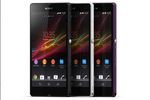
En plus des smartphones Xperia Z et Xperia ZL, le constructeur japonais Sony nous préparerait un modèle Xperia ZP, également connu en interne sous le nom HuaShan.
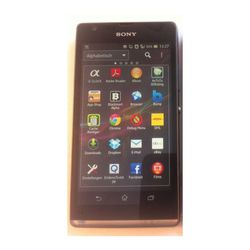
Aux dimensions 13,1 x 6,7 x 1 centimètre pour un poids de 155 grammes, il s’agirait d’un smartphone 4,6 pouces animé par un processeur ARM double cœur à 1,7 GHz, le modèle Qualcomm SnapDragon S4 Pro MSM8960T, et doté d’une solution graphique Adreno 320.
Sous environnement Android – Jelly Bean a priori, et peut-être Key Lime Pie par la suite –, celui-ci propose un affichage multitouch avec une définition 1 280 x 720 pixels, de la capture 8 Mégapixels et un espace de stockage de 8 Go que l’on peut compléter grâce à une carte mémoire MicroSD.
Il profiterait d’une conception mêlant l’aluminium pour sa façade et le plastique pour son dos.
Le Sony Xperia SP / HuaShan ( crédit Android-Hilfe.de ; cliquer pour agrandir )
Rendez-vous la semaine prochaine, sur le stand MWC de Sony, pour avoir confirmation des informations et éventuellement en savoir davantage sur la commercialisation chez nous.
Slimline unibody design as well as a range of colourful and wireless charging covers. Turn heads with the beautiful Nokia Lumia 720, powered by Windows Phone 8.
Sleek, light and bright. Stand out from the crowd.
With its slimline unibody design, bright covers and vibrant screen, the Nokia Lumia 720 is guaranteed to turn heads. But it’s not just a pretty face. It has extra long battery life and a touch screen that works even with gloves or long finger nails. You can also charge it wirelessly by clipping on a Wireless Charging Cover.
Put yourself in the picture. Video call face-to-face.
The Nokia Lumia 720 boasts an HD front-facing camera with a wide-angle lens that’s perfect for squeezing all your friends into one shot, as well as for chatting on Skype. Have fun with the front-facing camera and Lumia exclusive digital lenses, like Glam Me, which allows you to take self portraits and add the star treatment by whitening teeth and tanning your skin. Picture perfect every time.
Capture sharp and vivid colourful moments. Even with low light.
The back-facing camera with wide-angle lens and low light technology means you’ll always get the perfect shot - wherever you are. And our Lumia exclusive digital lenses ensure every shot’s a winner. Smart Shoot allows you to combine multiple photos and create the perfect shot. And now the Erase feature allows you to remove any unwanted elements.
HERE Maps. Find your way and discover your city’s secrets.
Use HERE Maps with LiveSight by holding your phone up to reveal all the shops, restaurants and businesses around you. Get instant reviews and directions so you’re never stuck for where to go next. HERE Maps even works indoors in places like shopping malls. (Release date of HERE Maps with LiveSight to be announced later.)
Nokia Mix Radio. Music to your ears, for free.
Love music? Stream your favourite tunes to your phone for free with Nokia Mix Radio. Or use Nokia Gig Finder to find events nearby, then buy tickets and send Facebook invites to your friends. Complete the experience with our great accessories - like the JBL PowerUp Wireless Charging Speaker. (Streaming or downloading music over your mobile data connection may involve the transfer of large amounts of data so please check with your provider.)
Windows Phone 8. Always up-to-date.
Windows Phone 8 keeps you in the know with all the latest news. Use Live Tiles to get instant updates from your friends, straight to your home screen. And keep ahead of the crowd with the latest from all your favourite apps, like WhatsApp and StyleSaint.
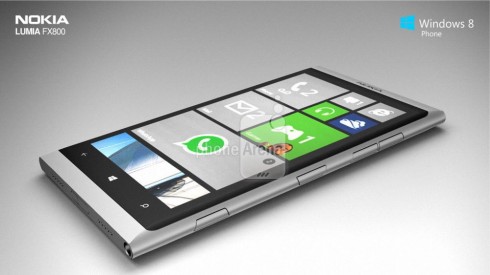
Vilim Plužarić created a Nokia concept phone called FX800, that has become famous on a couple of blogs and sites over the past days. We’re dealing with an unique smartphone, that started from the idea of the Nokia 8910 Titanium from back in 2002, in a more evolved version. This is a 4.65 inch smartphone with a titanium unibody case and obviously Windows Phone 8 on board.
Nokia Lumia FX800 features a 4.65 inch ClearBlack AMOLED HD screen, a laser cut body and measures just 8 mm in thickness. It packs a 1.5 GHz dual core Snapdragon S4 processor and 1 GB of RAM, plus 16 GB of storage. These specs are very much like the ones of the Lumia 920 in real life, to which the designer added a 12 megapixel camera. The screen supports a 720p resolution and its design seems to be a combo between the Nokia 8910 Titanium, Nokia X7 and the N9 model from last year.
People have been criticizing a lot the user of plastic materials like polycarbonate for modern handsets. They want the styling of the iPhone 5 with glass and aluminum and I expect that future Windows Phone and Android devices will take that requirement into account. So, are you for titanium or plastic materials? Have your say in the comments below!
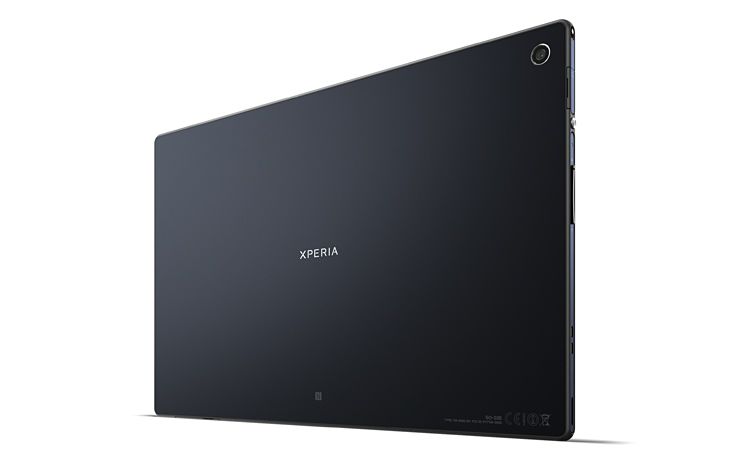
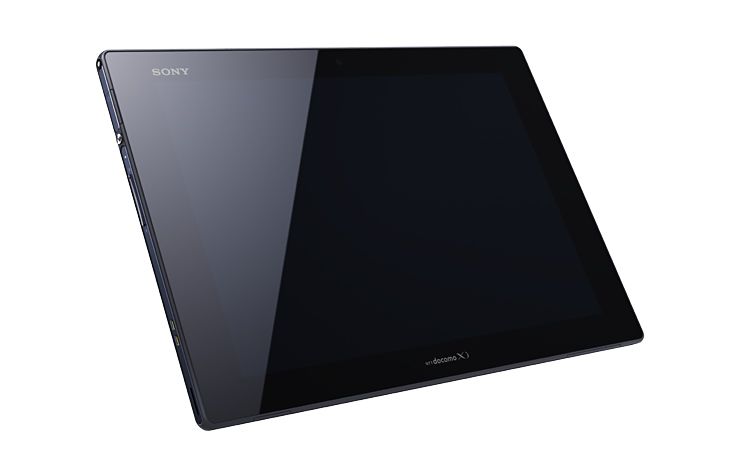
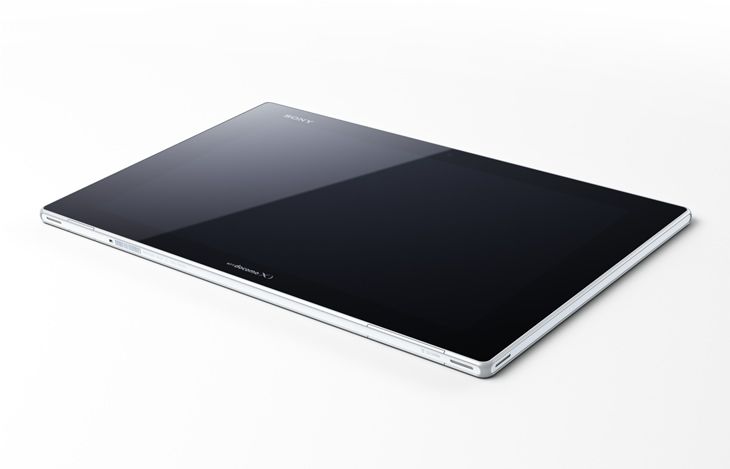
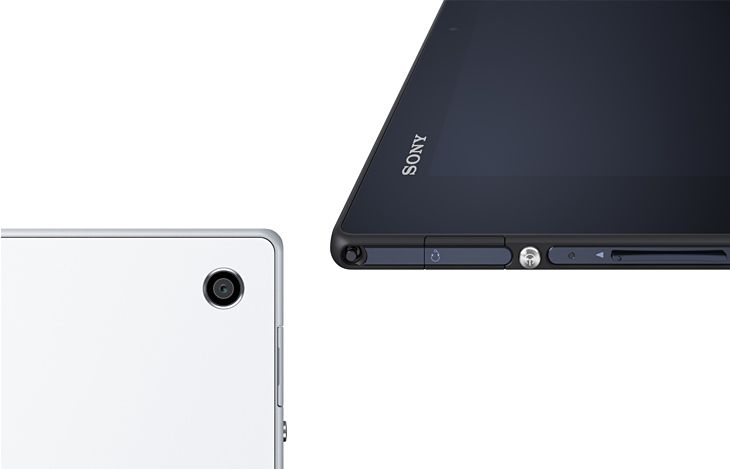
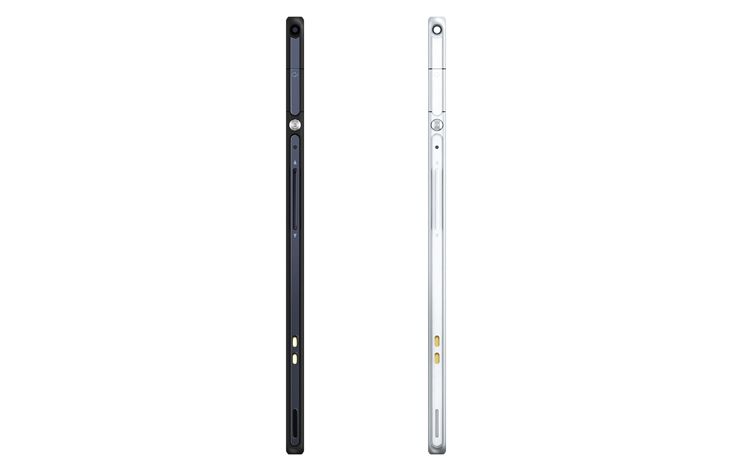
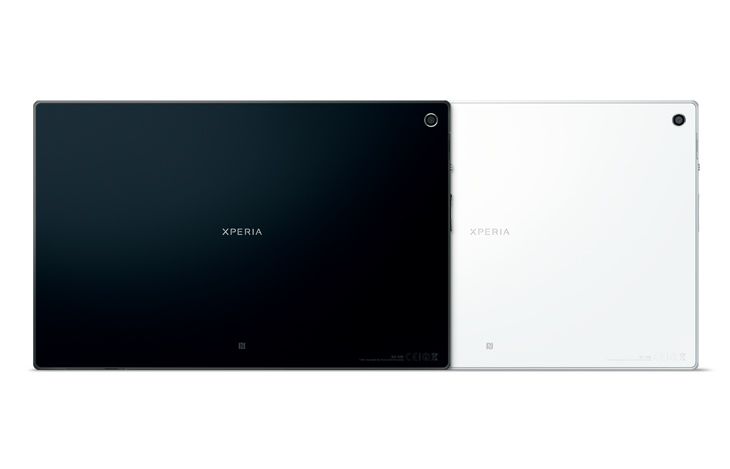
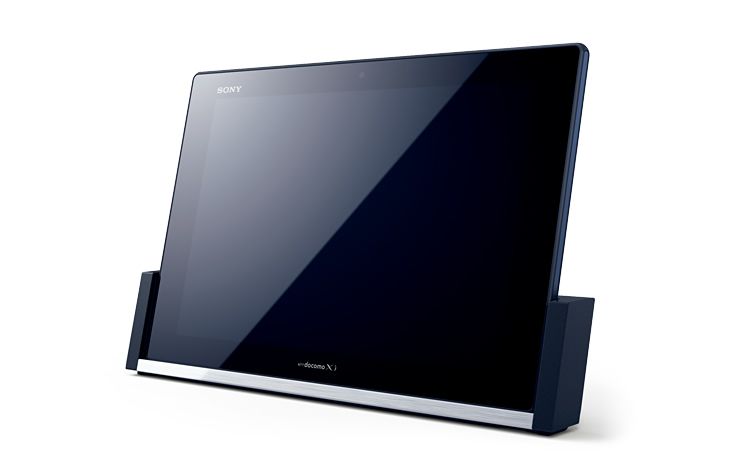
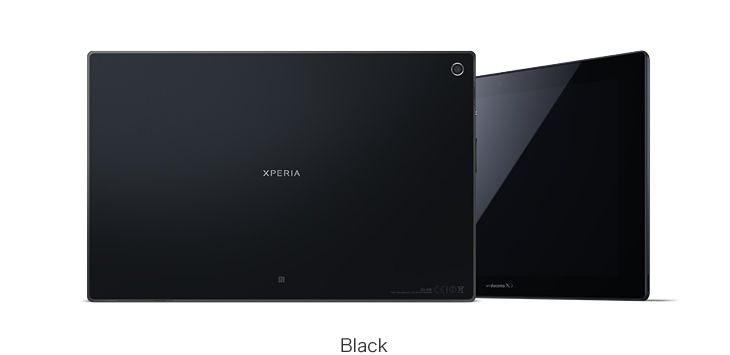
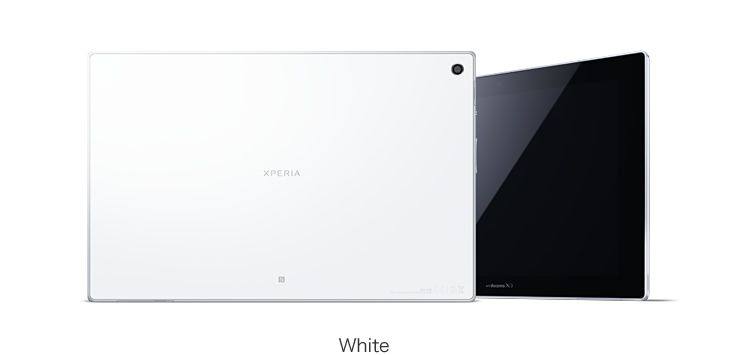
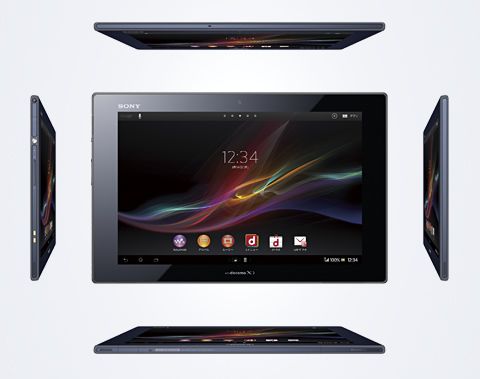
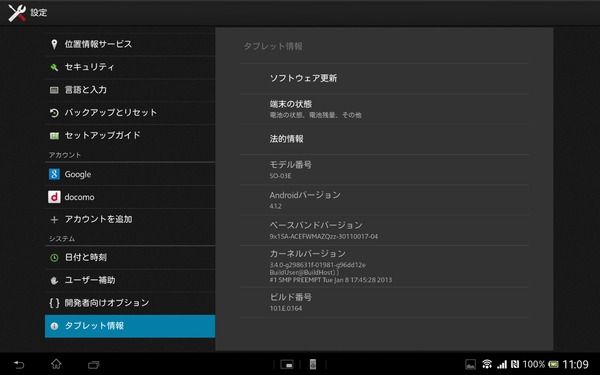
Whilst the Sony Xperia Tablet Z was officially announcedyesterday, it was announced for NTT DoCoMo earlier today. The Xperia Tablet Z (SO-03E) is expected to launch in the middle of March in Japan, pricing remains a mystery for now. The tablet will launch in both black and white colours.
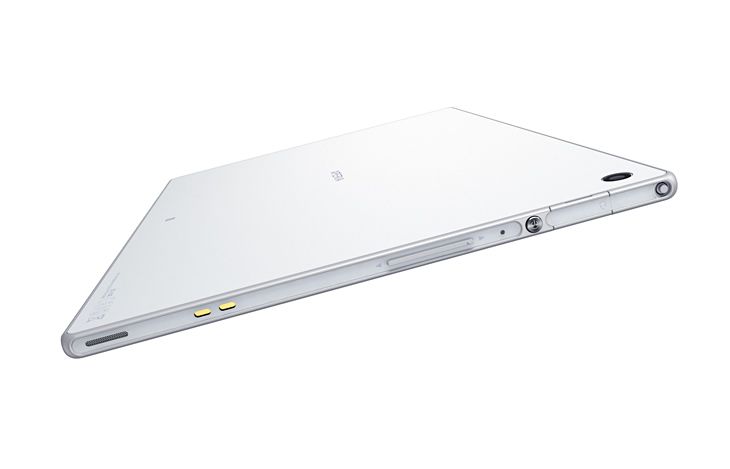
The Xperia Tablet Z adopts the OmniBalance design as seen in the Xperia Z and Xperia ZL smartphones, it also sports the signature aluminium power button. The tablet has a lightweight fibreglass reinforced back panel with steel-like properties according to the company. It also has a couple of exposed pins on the chassis, so that it can be used with a dock without removing port flaps.
The specifications are the same as we saw yesterday. The Xperia Tablet Z has a 10.1-inch (1920 x 1200) OptiContrast display with Bravia Engine 2, a APQ8064 Snapdragon chipset (1.5GHz quad-core processor and Adreno 320 graphics), a water/dust resistant chassis (IPX5/7 certified) and is just 6.9mm in thickness, weighing 495g. It runs Android 4.1.2 Jelly Bean.
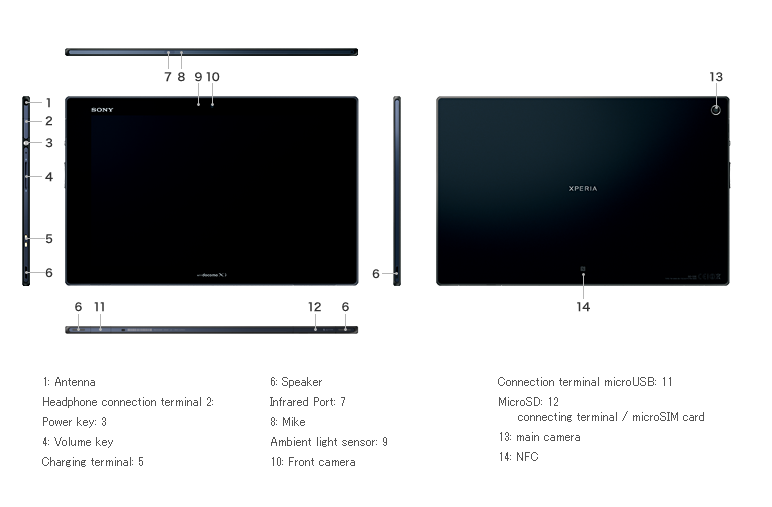
Specific Japanese features include a One Seg tuner and the latest POBox Touch 6.0 Japanese conversion engine optimised for tablets (the Xperia Z (SO-02E) smartphone has POBox Touch 5.4). It is interesting to note that the Xperia Tablet Z does not come with an infra-red sensor. [Update - It seems like it does have an infra-red sensor, despite the fact that it is ommitted from the official spec sheet.]
Other confirmed features include 32GB storage, 2GB RAM, microSDXC memory card slot, 6000mAh battery, a back-illuminated 8.1MP Exmor R camera, a 2.2MP front-facing Exmor R camera, S-FORCE Front Surround 3D (surround sound), NFC, Bluetooth 4.0 and LTE. There is no word on a global launch, but perhaps we’ll hear some positive news on this at MWC next month.
Petit test pour le mode rafale de l'appareil photo numérique intégré au smartphone Sony Xperia Z.
Au mois de janvier dernier, dans le cadre du salon CES de Las Vegas, Sony a dévoilé un smartphone haut de gamme répondant au nom de Xperia Z.
Parmi les quelques atouts mis en avant par le constructeur japonais, on se souvient notamment du mode rafale de l’appareil photo numérique qui permettait jusqu’à dix captures 9 Mégapixels par seconde. Et c’est justement ce qu’a voulu vérifier un certain Marko Kao.
Le smartphone Sony Xperia Z ( cliquer pour agrandir )
À l’issue de la vidéo postée par ce dernier sur YouTube, on peut noter un total de 999 captures en l’espace de 68 secondes. La performance vantée par le géant asiatique ne tient donc pas seulement du marketing.
La seule limite semble ainsi être la mémoire disponible, ce qui ne devrait pas être problématique avec une mémoire pouvant être étendue à 48 Go grâce à un slot MicroSD et une utilisation normale. Pas sûr en effet que cette fonctionnalité soit exploitée par la grande majorité des utilisateurs.






 Eye-catching design
 Powerful features




 Whilst the Sony Xperia Tablet Z was officially announced