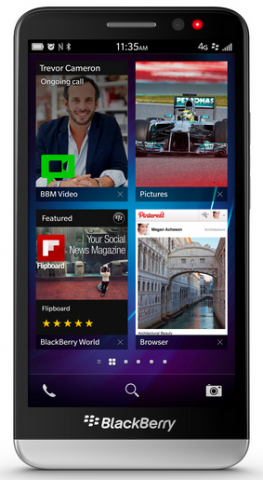
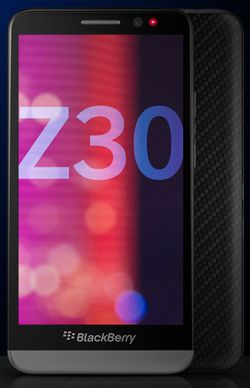
BlackBerry dévoile comme attendu ce jour son nouveau smartphone BlackBerry Z30, premier à exploiter un grand affichage avec diagonale 5", toujours sous BlackBerry 10.
Les discussions sur l'avenir du fabricant BlackBerry ne l'empêche de continuer à dévoiler de nouveaux terminaux BlackBerry 10 pour étoffer sa gamme et toucher de nouveaux segments de marché. Après un BlackBerry Z10 tout tactile avec affichage 4,2" et des BlackBerry Q10 et Q5 reprenant le format fétiche du smartphone à clavier, c'est du côté des grands écrans que s'oriente la gamme avec le BlackBerry Z30, jusque là connu sous le nom de code Aristo.
Son lancement était anticipé dès le début de l'année quand le dirigeant de la société a indiqué vouloir lancer une demi-douzaine de smartphones cette année, et il permet à BlackBerry de se positionner sur le créneau des smartphones dotés d'un écran 5", devenus courants du côté Android.
Le BlackBerry Z30 exploite également BlackBerry OS 10.2, la dernière version disponible de la nouvelle plate-forme. Elle introduit un BlackBerry Priority Hub qui optimise le fonctionnement du BlackBerry Hub original en mettant en avant les conversations des contacts avec lesquels l'utilisateur est le plus actif à partir de la messagerie, des réseaux sociaux et d'autres flux de communication.
Avec cette version 10.2, l'intégration de la messagerie BBM (BlackBerry Messenger) est plus profonde et permet d'obtenir une preview des messages entrants sans quitter l'application en cours, avec la possibilité de les rejeter ou d'y répondre immédiatement, toujours sans sortir de l'application.
Le BlackBerry Z30 est un smartphone tout tactile qui exploite un affichage 5" Super AMOLED en résolution 1280 x 720 pixels et utilise un processeur dual core 1,7 GHz avec 2 Go de RAM et partie graphique quadcore pour plus de réactivité, le tout dans 9,4 mm d'épaisseur.
Il bénéficie également d'une nouvelle technologie BlackBerry Natural Sound qui offre une plus grande qualité sonore et un rendu naturel dans les conversations audio et vidéo via BBM. On notera également la présence de la même coque au dos en fibre de verre tissée vue sur le BlackBerry Q10.
Au dos, on trouve un APN 8 megapixels avec flash, tandis qu'un APN 2 megapixels est présent en façade. Le smartphone embarque 16 Go de mémoire interne, extensible par port microSD et le terminal propose les connectivités sans fil WiFi, Bluetooth et NFC, ainsi qu'une compatibilité 4G LTE.
Le fabricant vante également les qualités de ses nouveaux schémas d'antennes (BlackBerry Paratek Antenna) censés maintenir une connectivité correcte dans les zones de faible réception, avec moins d'appels interrompus et des liens data maintenus.
Le fabricant met enfin en avant la présence d'une batterie 2880 mAh qui, associée aux optimisations de BlackBerry OS 10.2, assure 25 heures d'autonomie en usage mixte et veut ainsi répondre aux critiques sur l'autonomie des premiers smartphones BlackBerry 10.
BlackBerry annonce une disponibilité de son nouveau BlackBerry Z30 dès la semaine prochaine au Royaume-Uni et au Moyen-Orient, avec un élargissement progressif à d'autres marchés d'ici la fin de l'année.
Par ailleurs, la mise à jour BlackBerry OS 10.2 pour les BlackBerry Z10, Q10 et Q5 commencera à être diffusée à partir de mi-octobre 2013, avec des variations de disponibilité en fonction des opérateurs.
Les iPhone 5S et 5C sont annoncés chez Apple et seront rapidement commercialisés. La France fait partie des premiers marchés servis.
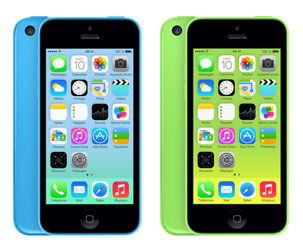
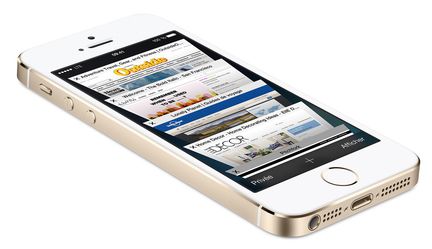
Les nouveaux iPhone d'Apple ont été dévoilés ce 10 septembre et, contrairement à son habitude, le groupe de Cupertino a dévoilé deux modèles : un iPhone 5S prenant la suite de l'iPhone 5 et uniPhone 5C dont les caractéristiques sont en fait très proches de l'iPhone 5 mais dans un nouvel habillage coloré.
L'impression est accentuée par le fait que l'iPhone 5C "low cost" ne l'est pas du tout, du moins pas sur les marchés européens. Deux versions sont proposées en 16 ou 32 Go, avec pour prix nus :
iPhone 5C 16 Go : 599 € nu
iPhone 5C 32 Go : 699 € nu
Il est à noter que l'iPhone 5C est compatible 4G LTE sur 13 bandes, assurant le support des bandes des réseaux 4G européens mais il n'est compatible qu'avec la version de base de LTE, capable de débits descendants maximum théoriques de 100 Mbps.
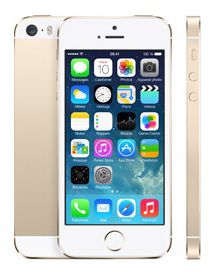
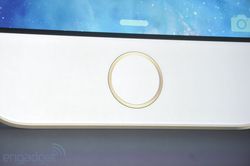
L'iPhone 5S, qui sera proposé pour la première fois en trois coloris (noir, gris et or), conserve le même aspect général que l'iPhone 5 si ce n'est le cerclage métallique entourant le bouton home et cachant la nouvelle fonction biométrique Touch ID.
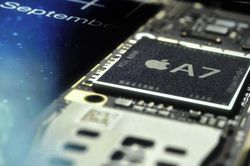
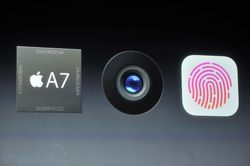
Les grandes nouveautés sont comme souvent à l'intérieur, avec la présence d'un processeur Apple A7 64 bit qui cache encore sans doute bien son jeu et d'un APN iSight 8 megapixels amélioré par rapport à l'iPhone 5 avec un mode slow motion, un nouveau flash True Tone pour un meilleur rendu ou encore la stabilisation de l'image.
L'iPhone 5S sera disponible en trois versions, selon la capacité de stockage :
iPhone 5S 16 Go : 699 € nu
iPhone 5S 32 Go : 799 € nu
iPhone 5S 64 Go : 899 € nu
Les deux modèles seront pourvus d'iOS 7, la dernière version de la plate-forme mobile et seront lancés le vendredi 20 septembre 2013, comme cela avait été anticipé. iOS 7 sera livré aux appareils iOS actuels dès le 18 septembre prochain. La France fait partie des neuf premiers pays servis, en même temps que les Etats-Unis mais aussi pour la première fois que la Chine, signe de l'attrait d'Apple pour ce marché mobile stratégique.
Le fabricant fait aussi des ajustements vis à vis des modèles iPhone actuels. Comme prévu, l'iPhone 5 disparaît purement et simplement de son catalogue, ce qui renforce encore l'idée que l'iPhone 5C est surtout un iPhone 5 "Edition 2013", tandis que ne reste que l'iPhone 4S 8 Go en produit d'appel, proposé à 399 € nu et gratuitement aux Etats-Unis avec un abonnement sur deux ans, comme Apple l'avait déjà proposé pour des modèles antérieurs.
La nouvelle version de l'iPhone se dévoile enfin avec un iPhone 5S qui s'offre un nouveau coloris or et surtout un processeur Apple A7 capable de gérer des instructions 64 bit et accompagné d'un coprocesseur M7.
Comme chaque année, Apple a dévoilé son nouvel iPhone et les très nombreuses indiscrétions qui ont couru sur ce modèle se voient pour la plupart concrétisées. Son nom d'abord, puisqu'il s'agit bien de l'iPhone 5S, prenant la suite de l'iPhone 5 comme l'iPhone 4S avait suivi l'iPhone 4.
Les couleurs ensuite puisque, outre les traditionnels coloris noir et blanc (en fait "gris sidéral" sur cette version), c'est une version or qui est dévoilée. Le processeur enfin, puisque l'on a affaire à la nouvelle génération avec un processeur Apple A7 qui s'éloigne un peu plus de ce qui se fait ailleurs en jouant sur une double compatibilité 32 bit/64 bit, avec environ deux fois plus de transistors que son prédécesseur.
Apple promet deux fois plus de performances que la génération A6 précédente, pour le processeur et pour la partie graphique. L'Apple A7 comprend également un coprocesseur M7 spécifiquement dédié aux capteurs de mouvements, avec une API CoreMotion spécifique côté logiciel, et doit permettre d'aider à la conception de nouvelles générations d'applications mobiles.
Malgré son gain de puissance, l'iPhone offre toujours 10 heures d'autonomie en conversation 3G et 250 heures en veillle, et 10 heures d'autonomie en navigation Web sous 4G. La connectivité LTE peut être supportée sur 13 bandes différentes, ce qui assure enfin sa compatibilité avec les réseaux européens.
L'APN iSight 8 megapixels au dos est toujours constitué d'une optique en 5 éléments avec ouverture f/2/2 mais dispose d'une zone active 15% plus importante captant mieux la lumière en faibles conditions de luminosité.
Outre un ensemble de paramètres détectés automatiquement pour produire les meilleurs clichés, l'APN dispose d'un autofocus rapide et d'un nouveau flash True Tone capable de mieux restituer les couleurs. Apple adopte également le principe d'un dispositif de stabilisation de l'image.
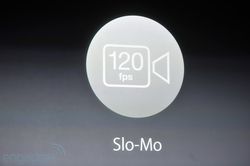
L'APN peut également prendre des clichés en mode rafale en 10 images/seconde, avec un choix automatique du meilleur cliché. On trouve un mode slow motion qui fonctionne à partir de vidéos prises en 720p et 120 images par seconde et sur lesquelles il est possible de ralentir certaines séquences ou un mode panorama créant des photos de 28 megapixels.
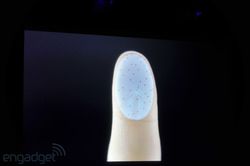
Autre nouveauté pressentie de l'iPhone 5S : le bouton home se double d'une fonction de sécurité biométrique par capture d'empreinte baptisée Touch ID. Il permettra même de simplifier les achats sur iTunes en utilisant donc son doigt pour authentifier et valider les transactions. Et Apple promet de ne garder aucune trace des empreintes recueillies, ni sur ses serveurs ni dans iCloud.
La disponibilité de l'iPhone 5S et de l'iPhone 5C, tous deux directement sous iOS 7, est prévue pour le20 septembre prochain dans plusieurs pays, dont la France, et les prix français sont déjà connus :
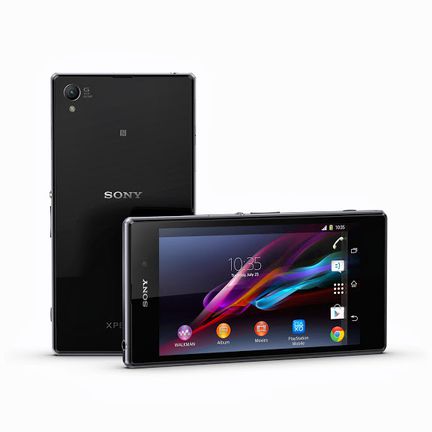
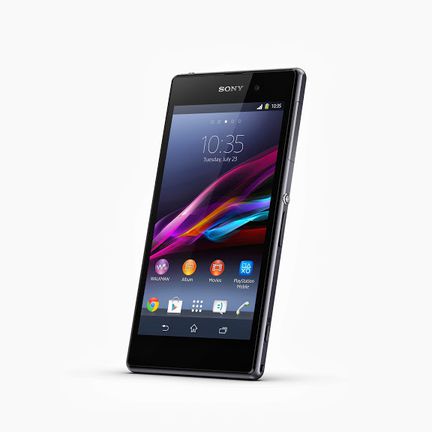
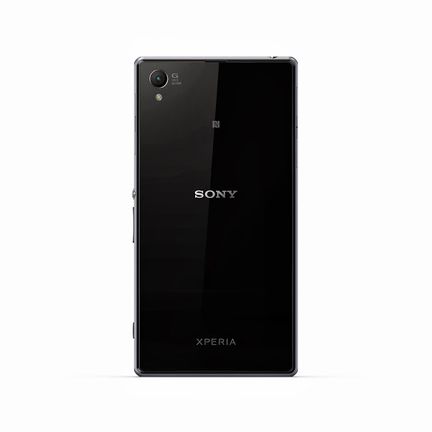
Sony annonce son nouveau smartphone phare lors de sa conférence au salon IFA de Berlin avec le Sony Xperia Z1, toujours résistant aux éclaboussures et pourvu d'un APN 20 megapixels d'exception.
Après de nombreux mois de fuites et teasers divers, le Sony Honami se dévoile sous le nom de Sony Xperia Z1 à l'occasion de la conférence de presse des produits du groupe nippon annoncés au salon IFA 2013.
L'entreprise est en pleine reconstruction de son image de marque et s'appuie sur une série de modèles haut de gamme pour redorer son blason. Le Sony Xperia Z de début d'année a rencontré un franc succès et s'est vu suivi par une phablet Xperia Z Ultra décomplexée et bientôt disponible.
Le Sony Xperia Z1 poursuit cette lignée et dans un genre que Sony connaît bien pour livrer des capteurs CMOS à toute l'industrie : la photographie mobile. Le smartphone reste sur un format 5" Full HD avec technologie TriLuminos et moteur de rendu X-Reality, mais il embarque donc un grand capteur 1/2.3Exmor RS 20,7 megapixels avec ouverture F2.0 et puce de traitement d'image BIONZ, le tout épaulé par une optique haut de gamme G Lens de Sony.
Le fabricant promet une qualité comparable à celle des APN de type compact mais dans un format de smartphone et sans protubérance pour loger l'optique. Le système propose un obturateur haute vitesse qui réduira le flou des images en faibles conditions de lumières et un zoom x3.
On trouve à bord du Sony Xperia Z1 de quoi partager les clichés et vidéos sur Facebook via un fluxSocial Live tandis qu'un TimeShift Burst prend 61 images en 2 secondes (1 seconde avant la prise de vue et une seconde après) pour capter le meilleur cliché.
Sony propose aussi une fonction Info-eye de reconnaissance de forme qui, par la photographie d'un site ou d'un objet (un livre, par exemple), fournira les informations correspondantes. L'APN pourra également servir pour de la réalité augmentée avec SmartAR.
Comme prévu, le Sony Xperia Z1 est waterproof / résistant aux infiltrations de poussière comme ses cousins Xperia Z (protection IP55 / IP58) et utilise un même design OmniBalance. La protection des connectiques passe toujours par des caches, sauf pour la prise casque, comme pour le Z Ultra.
Le smartphone embarque bien un processeur SnapDragon 800 avec 2 Go de RAM et 16 Go de mémoire interne, extensible par port microSD (jusqu'à 64 Go). Il intègre directement le servicePlayMemories Online pour le stockage des photos et vidéo en cloud, ainsi qu'un accès aux catalogues vidéo et musicaux de Sony.
Le Sony Xperia Z1 embarque les connectivités WiFi, Bluetooth, GPS et NFC pour un appairage rapide et c'est aussi un smartphone compatible 4G. Le prix n'est pas encore connu mais le terminal sera disponible pour 699 € nu dès le mois de septembre 2013.
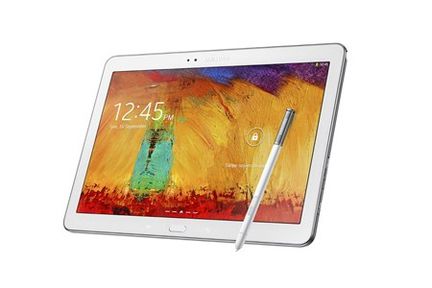
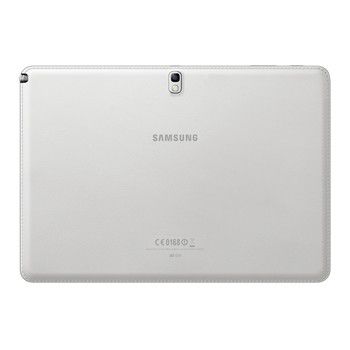
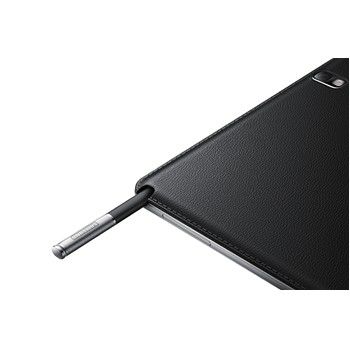
Samsung a dévoilé une nouvelle version de sa tablette Galaxy Note 10.1 lors de sa conférence Unpacked, avec de solides caractéristiques et toujours la présence du stylet S Pen.
La famille Galaxy Note est représentée par les phablets mais aussi par les tablettes tactiles, avec comme point commun la technologie S Pen assurant l'utilisation d'un stylet avec des applications dédiées. Cet aspect contribue à améliorer l'aspect productivité et à renforcer la présence du groupe coréen sur le marché professionnel qu'il convoite tout autant que le segment grand public.
Et pour sa Galaxy Note 10.1 2014 Edition, le groupe coréen n'a pas lésiné sur les caractéristiques avec une configuration constituée d'un affichage 10" WQXGA ( 2560 x 1600 pixels ) Super Clear LCD et d'un processeur quadcore 2,3 GHz (configuration WiFi / LTE ) ou octa core ( Exynos 5 ) 1,9 GHz (configuration WiFi / 3G+), avec 3 Go de RAM.
La tablette embarque aussi un APN 8 megapixels au dos avec autofocus et flash LED, capable d'enregistrement vidéo Full HD 60 fps, ainsi qu'un APN 2 megapixels en façade pour la visioconférence. Elle supporte également le son 24 bit 192 KHz et embarque les connectivités sans fil WiFi, Bluetoot 4.0 et GPS / Glonass.
Le tout est alimenté par une batterie 8220 mAh, installée dans un appareil aux dimensions de 243 x 171 x 7,9 mm pour 535 g. Avec son processeur quadcore, la Galaxy Note 10.1 2014 Edition profite du mode multitâche Multi Window faisant tourner deux applications à la fois en split screen et avec la possibilité de faire passer du contenu de l'une à l'autre via le mode Drag and Drop.
Comme pour la Galaxy Note 3, la fonction Pen Window permet de dessiner une fenêtre de n'importe quelle taille avec le stylet et d'accéder à certaines fonctionnalités. Le stylet avec la technologie S Pen sous-jacente est d'ailleurs l'un des principes de la tablette et l'on y retrouve les applications dédiéesAction Memo (transformation d'un mémo en action contextuelle), Scrapbook (création d'un flux d'information multi-sources), Screen Write ou S Finder, qui pourront profiter de la large diagonale de l'écran et de son imposante résolution.
A noter que Samsung s'est associé à plusieurs éditeurs ou fournisseurs de contenus pour apporter des applications dédiées comme Bloomberg BusinessWeek+, The New York Times, Autodesk Sketchbook pour Galaxy ou une version spécifique de Twitter adaptée à la résolution de la Galaxy Note 10.1 2014 Edition.
La tablette est également compatible, comme la Galaxy Note 3, avec la solution Samsung Knox de sécurisation des contenus et applications et permettant de cloisonner les données et logiciels sensibles dont la protection est renforcée. Samsung Knox est une tentative de faire accepter ses produits en entreprise malgré la méfiance vis à vis du nid à malwares qu'est devenu Android du fait de sa popularité.
Le fabricant précise donc bien que "ces fonctionnalités font de la Galaxy Note 10.1 (2014 Edition) un appareil idéal pour le BYOD (Bring Your Own Device)". La tablette sera disponible en noir ou blanc et en version 16, 32 et 64 Go, en configuration WiFi seul, WiFi / 3G ou WiFi / LTE selon les marchés. Son prix n'est pas connu mais sa disponibilité est fixée au troisième trimestre 2013.