| Accueil | Créer un blog | Accès membres | Tous les blogs | Meetic 3 jours gratuit | Meetic Affinity 3 jours gratuit | Rainbow's Lips | Badoo |
newsletter de vip-blog.com S'inscrireSe désinscrire
http://slaytane.vip-blog.com


Amazing Mobiles !
VIP Board
Blog express
Messages audio
Video Blog
Flux RSS

Amazing Mobiles !

VIP-Blog de slaytane
randomacces@gmail.com

  • 3746 articles publiés
  • 34 commentaires postés
  • 1 visiteur aujourd'hui
  • Créé le : 31/05/2006 02:43
    Modifié : 07/05/2026 01:47

    Garçon (34 ans)
    Origine : slaytane
    Contact
    Favori
    Faire connaître ce blog
    Newsletter de ce blog

     Juin  2026 
    Lun Mar Mer Jeu Ven Sam Dim
    01020304050607
    08091011121314
    15161718192021
    22232425262728
    29300102030405
    [ Apple ] [ Samsung ] [ google ] [ Xiaomi/Poco/Redmi ] [ Motorola/Lenovo ] [ ZTE / Nubia / Red Magic ] [ BBK ElectronicS ] [ Transsion Holdings ] [ Huawei/HonoR ] [ HMD Globale/MicroSoft ] [ Sony ] [ Alcatel/TCL ]

    Galaxy note 3

    06/09/2013 12:31

    Galaxy note 3


    Samsung Galaxy Note 3 logo

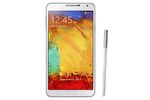
    La phablet Galaxy Note 3 assure la continuité de la série mais exploite les dernières technologies du moment. Passage en revue des évolutions par rapport au deux modèles précédents.


    La famille de smartphones Galaxy Note a relancé la tendance des smartphones à grand écran qui jouent sur leur polyvalence à mi-chemin entre smartphone et tablette et permettent de profiter de la montée des débits dans les réseaux mobiles.

    Samsung Galaxy Note 3 04 Accéder au Web dans de bonnes conditions de lecture, consulter des photos ou visionner des vidéos et films sur un affichage de bonne taille constituent des atouts qui peuvent faire oublier le format élargi dont certains fabricants ont pris la mesure en adaptant l'interface pour continuer de l'utiliser à une main dans les situations courantes.

    Ce format spécifique est aussi mis en avant pour les besoins de productivité mobile des entreprises, et encore plus maintenant chez Samsung par sa solution de sécurité Samsung Knox.

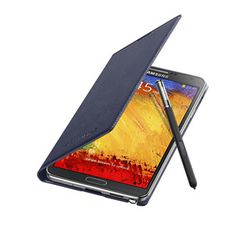
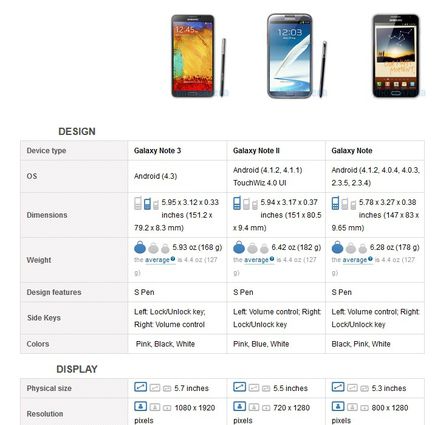
    La phablet Samsung Galaxy Note 3 reprend les ingrédients du succès de la série, notamment avec l'usage du stylet et une technologie S Pen dont les fonctions et applications s'enrichissent et exploite des technologies avancées, sans pour autant faire la course au gigantisme en restant sous la diagonale 6".

    Le site Phone Arena propose un comparatif des caractéristiques de la Galaxy Note 3 par rapport à la Galaxy Note II et à la Galaxy Note initiale, donnant une idée de l'évolution de la gamme (plus grand écran, processeur plus puissant, encore plus de RAM, nouveau capteur photo...).

    Galaxy Note 3 comparatif
     

    Le comparatif Galaxy Note 3 complet


    9720

    19/08/2013 13:32

    9720


    BlackBerry 9720

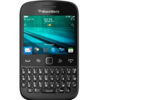
    Déjà évoqué dans nos colonnes, le smartphone BlackBerry 9720 a été officialisé. Non tactile, celui-ci reprend le design caractéristique de la marque canadienne avec le petit écran large et le clavier physique.


    Livré avec l’environnement BlackBerry OS 7.1, le smartphone BlackBerry 9720 s’appuie donc sur un processeur cadencé à 800 MHz – le modèle Tavor MG-1 d'origine Marvell – et une mémoire vive 512 Mo. Aux dimensions 11,4 x 6,6 x 1,2 centimètre pour un poids de 120 grammes, il propose un écran2,8 pouces en 480 x 360 pixels, un pavé tactile et un clavier physique.

    La fiche technique évoque aussi une compatibilité 3G+ / Wi-Fi 802.11n pour les communications, un module GPS pour la navigation, des interfaces mini-jack / Micro-USB 2.0 / Bluetooth 2.1 pour les périphériques et les échanges de données, une mémoire de 512 Mo extensible de 32 Go pour l’accueil des données et un capteur dorsal 5 Mégapixels avec flash LED pour la partie photo.

    À noter enfin la présence d’une batterie Lithium-Ion 1 450 mAh offrant un autonomie de 7 heures en communication, 30 heures en lecture vidéo et 432 heures en veille.

    Avec ce smartphone très modeste, RIM cible principalement les marchés émergents tels que l'Asie et l'Amérique Latine. Aucun prix n'a filtré pour l'instant.


    Nexus 7 2

    30/07/2013 15:49

    Nexus 7 2


    •  
    nexus 7 2 vignette

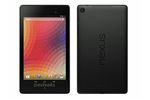
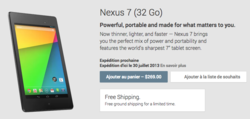
    "Maintenant plus fine, plus légère et plus rapide". Il ne s'agit pas d'une devise mais du descriptif de la nouvelle Nexus 7 désormais en vente sur le Play Store américain.


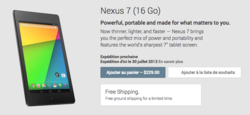
    Les américains peuvent dès à présent commander la nouvelle itération de la tablette Nexus 7 déclinée en versions avec 16 Go pour 229 dollars ou bien avec 32 Go pour 269 dollars.

    Il s'agit de deux modèles dotés d'une connectivité WiFi (pas de 3G, ni de 4G). Les commandes commenceront à être expédiées à compter de mardi prochain (soit le 30 juillet).

    La tablette 7 pouces produite par Asus pour Google troque le Tegra 3 pour un SoC Snapdragon S4 Pro signé Qualcomm. Il s'agit en fait de l'AP8064 qu'on trouve déjà dans le Nexus 4 (et le Sony Xperia Z). Ce SoC embarque 4 coeurs Krait cadencés à 1.5 GHz et un GPU Adreno 320 (le S 800 embarque, lui, l'Adreno 330).

    Elle se dote d'un écran Full HD (1920 par 1200 pixels) pour une résolution de 323 ppp (pixels par pouce) et supporte le NFC ainsi que la recharge sans fil au standard Qi, mais n'hérite pas du support du WiFi ac.

    Elle perd au passage 50 grammes (290 g contre 340 g pour la première version) et affiche une épaisseur de 8.65 mm contre 10.45 mm précédemment (tandis que l'épaisseur de l'iPad Mini est de 7.2 mm pour un poids de 308 grammes).

    Pour l'heure, Google n'a pas communiqué sur la disponibilité de cette nouvelle mouture de la Nexus 7 pour le marché européen.

    Nexus_7_16_Go Nexus_7_32_Go


    Droid;mini maxx ultra

    24/07/2013 13:34

    Droid;mini maxx ultra


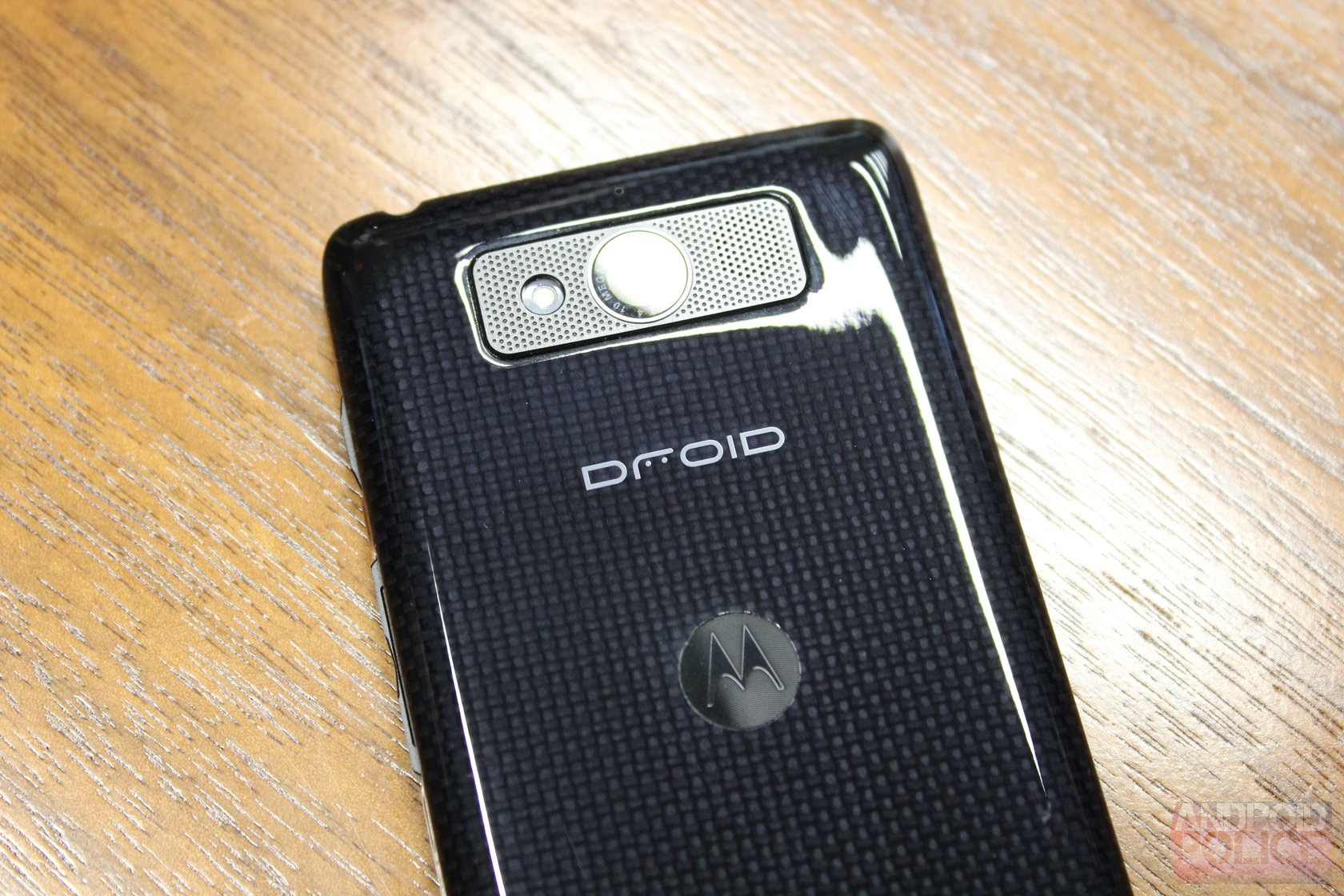
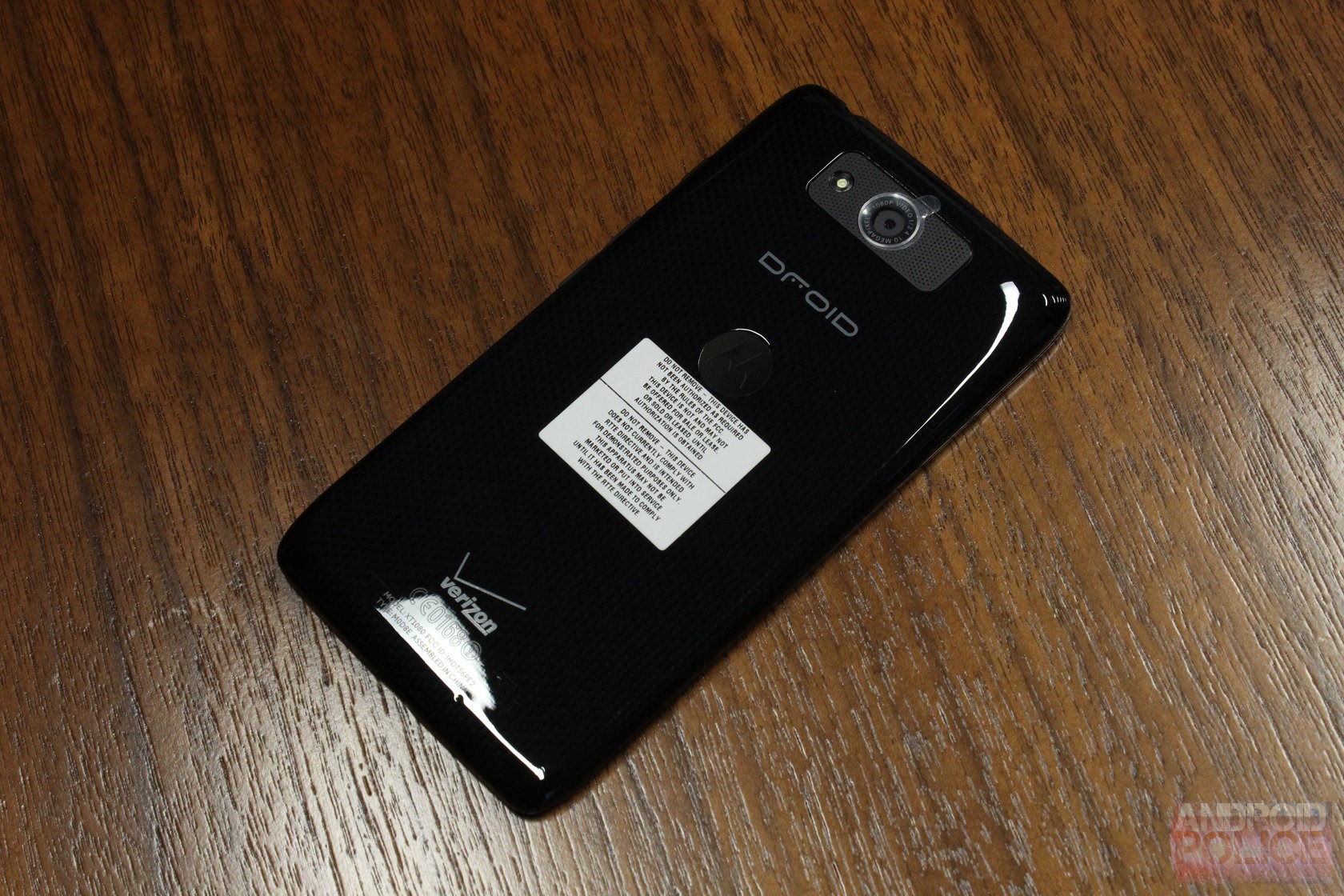
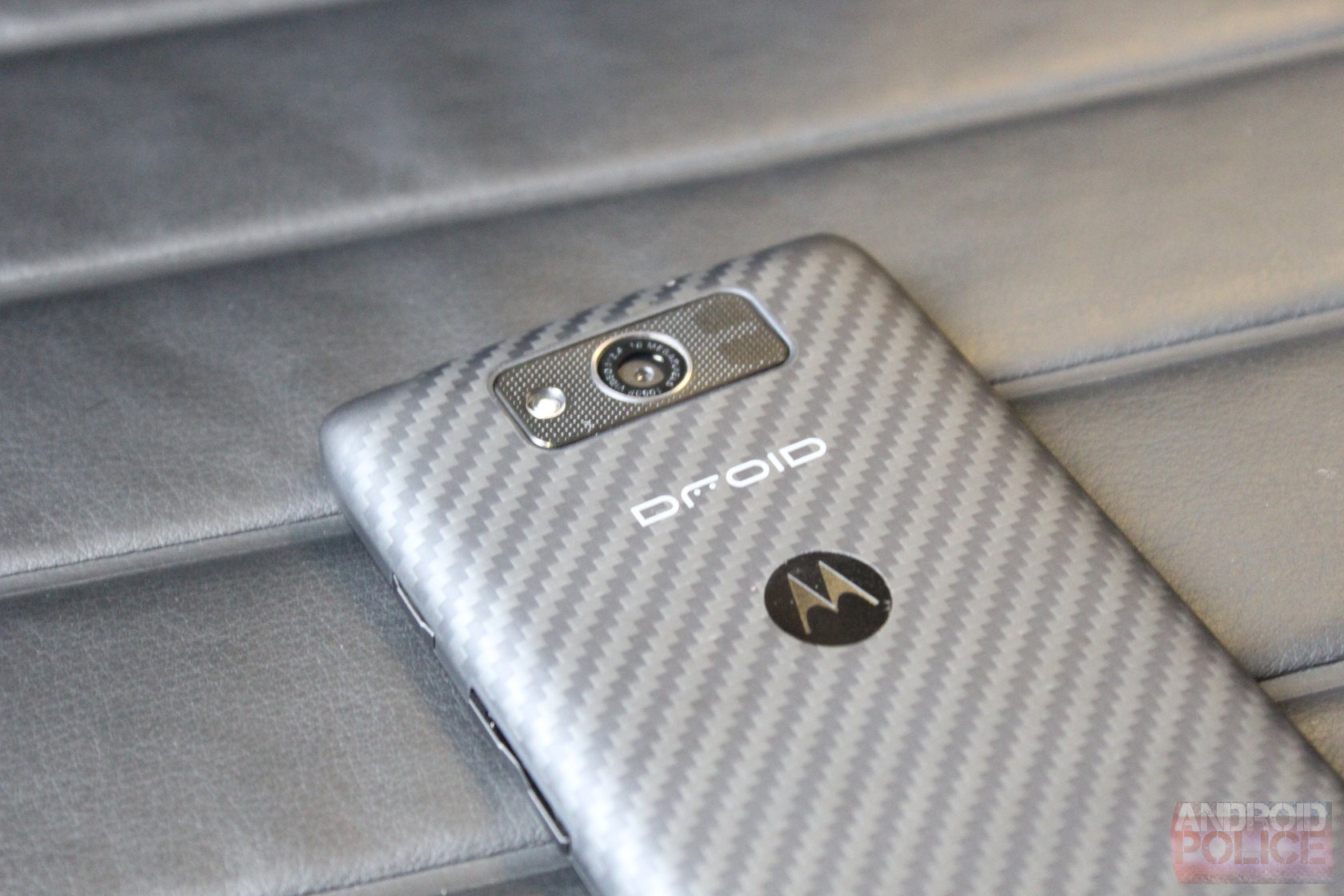
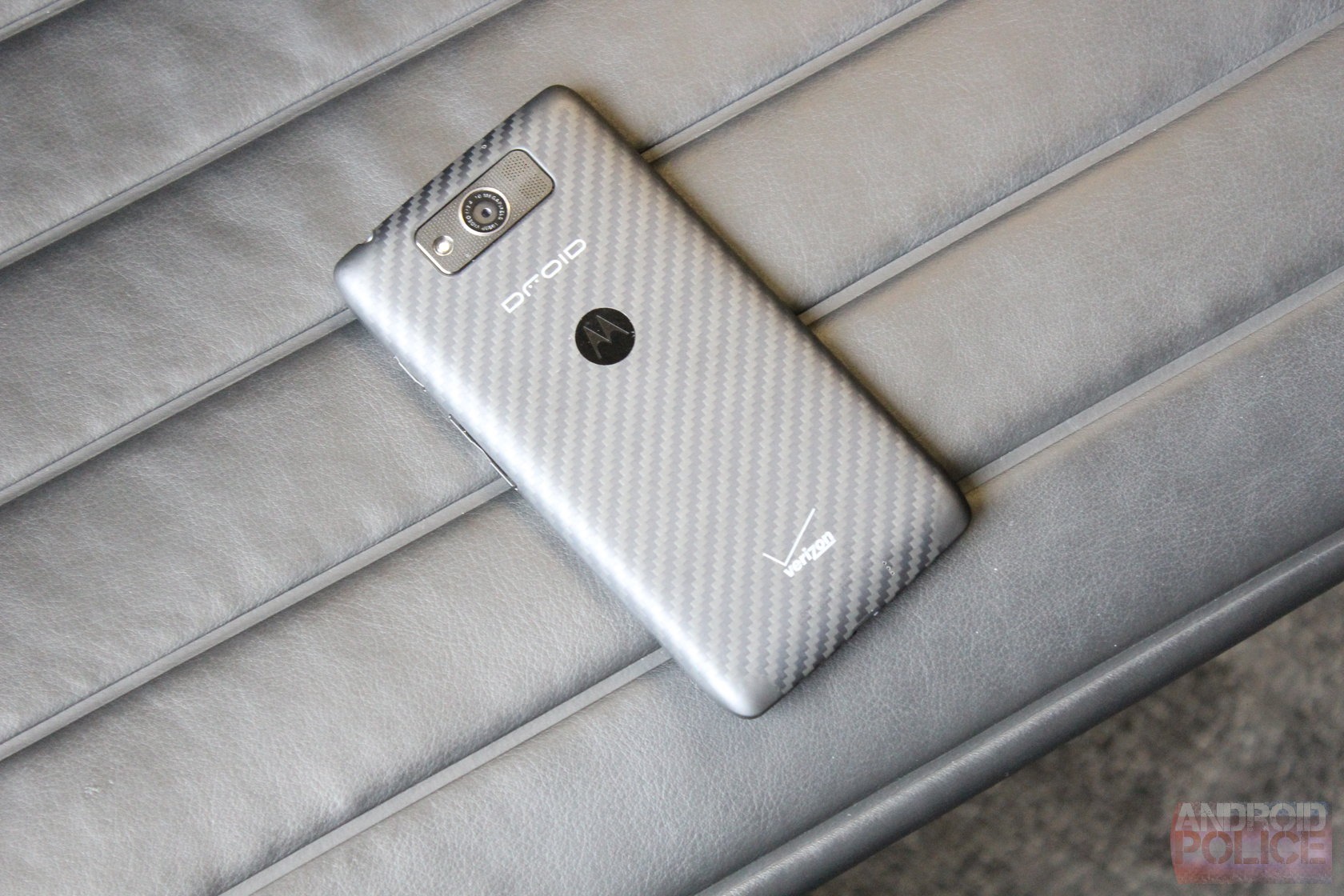
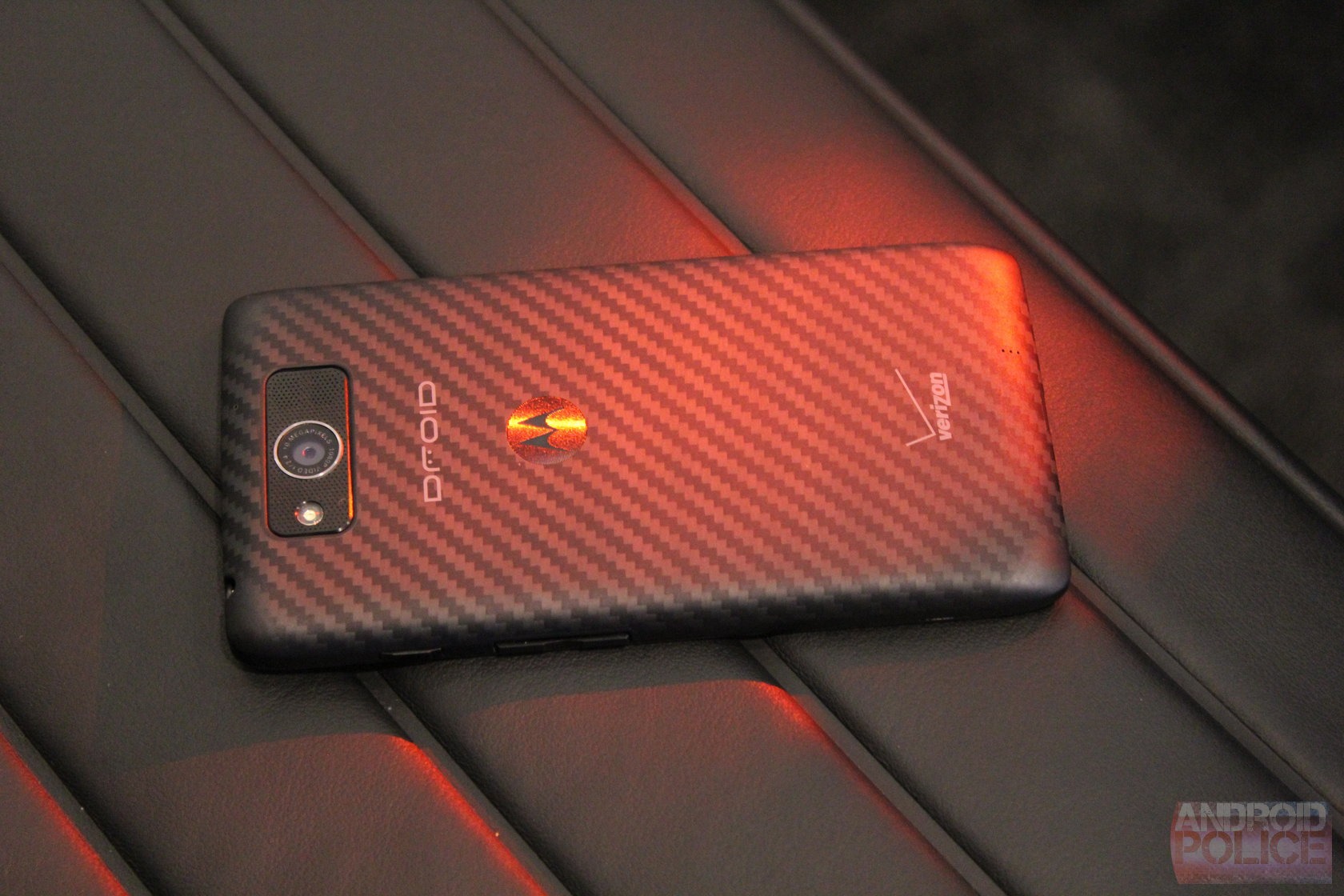
    Motorola and Verizon unveiled the newest members of the DROID family today, and I had some time to play with these freshly-minted Kevlar constructions. My initial conclusion? These phones are all really, really alike.

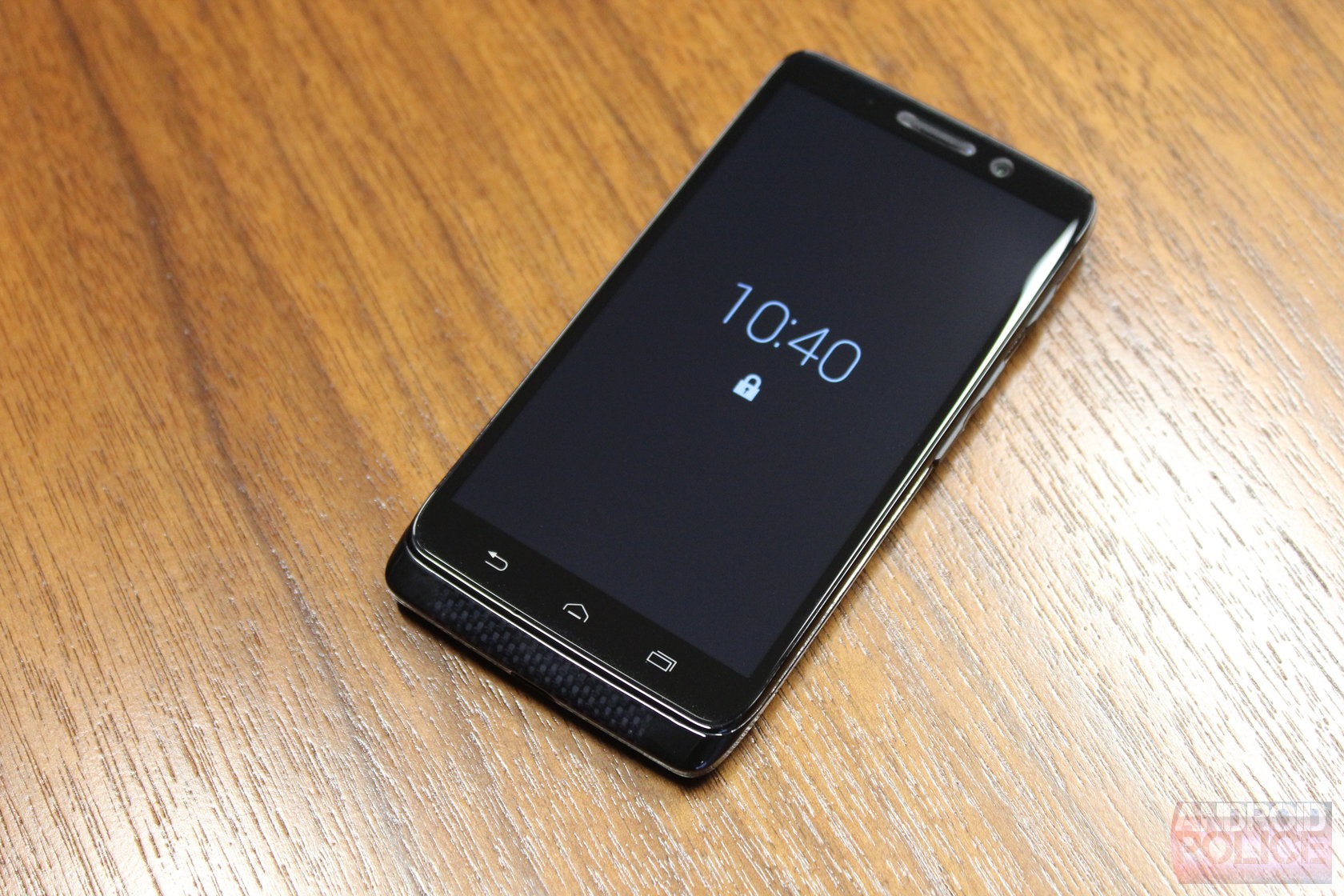
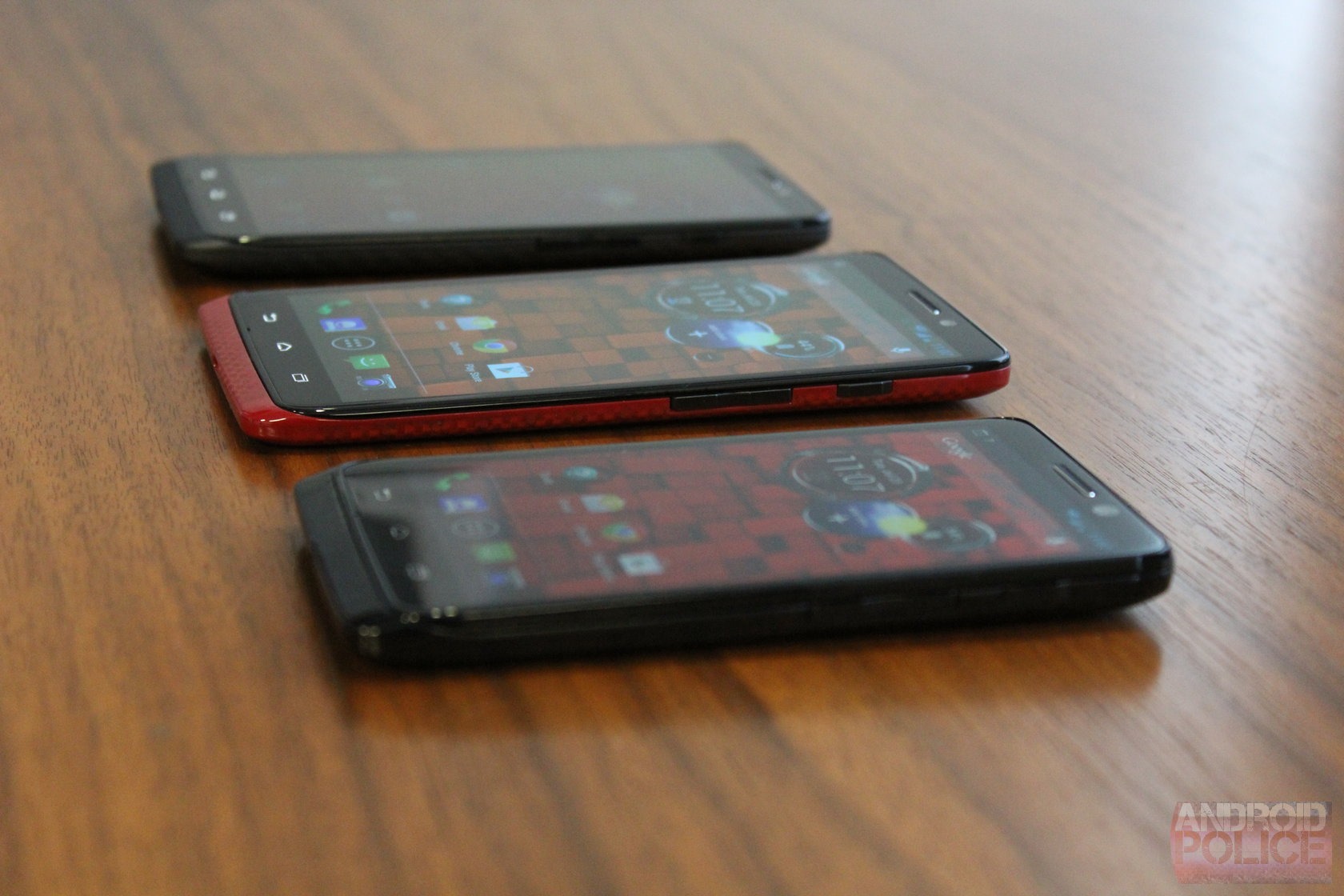
    In fact, it is easier to talk about the ways they are different than the ways they are the same. The Ultra is slimmest of the three (it's also the only not packing Qi wireless charging, because it would make the phone thicker). The MAXX is the same as the Ultra, but with a beefier battery, 32GB of storage (as opposed to 16GB), and a sateen-like finish (the Ultra is super glossy). The Mini is... smaller. Its display is only 4.3" across, and its battery is, of course, a bit less robust as well.

    wm_IMG_0248

    Left to right: MAXX, Ultra, Mini

    That's really it, apart from aesthetic distinctions. These phones all run the same chipset, the same camera (10.1MP with ClearPixel*), the same software, have the same Kevlar wrapping, the same display resolution, and - apart from wireless charging - the same features. And yet they're priced quite differently - the Mini will be $99 on contract, the Ultra $199, and the MAXX a staggering $299.

    Oh, and here's a list of things about them that may or may not upset you:

    • Bootloader: locked (it's Verizon, we knew this was happening)
    • Batteries: not removable
    • SD card slots: there aren't any

    At least they all have NFC.

    *Motorola confirmed to me that ClearPixel is a thing. They're not advertising it on the DROIDs yet, but it's there. Presumably because they want everyone to "oooh" and "ahhh" when they unveil it on the Moto X. ClearPixel should significantly improve the camera's ability to capture light, and reduce capture times in normally lit settings, while increasing available light in those where it is less than ideal.

    The DROID Mini

    The smallest member of The Three Droidsketeers, the DROID Mini is aimed squarely at smartphone lovers looking for Android device that is, well, smaller. The 4.3" AMOLED panel was quite vivid, as AMOLED panels tend to be, but its qHD resolution was immediately apparent as lacking in my eyes. Pixelation was readily visible on closer inspection, and the colors themselves just looked too hot. It's not a bad screen, by any means, it's just not going to win any awards. (Edit: Apparently it's 720p, though maybe it's PenTile? It didn't look great to me - that's all I'm saying.) Most people will find it sufficient, and really, for a $99-on-contract phone, I wouldn't be one to complain.

    The Mini does seem a bit thick, but it's not cumbersome or heavy to hold, and moves through Android just as speedily as it larger siblings. All three phones, for the record, seem to run very, very smooth out of the box. I will say that they don't feel quite as fast the HTC One Google Play Edition I'm carrying around currently, though that's to be expected - they're down two processing cores compared to the One.

    The Mini felt fairly solid, though I quickly came to the conclusion that it didn't feel on par with the Ultra or Maxx in this regard. Again, sacrifices in the name of cost come to mind. The size was an inarguable factor in making the Mini comfortable to hold, however, and after a few minutes with it, I did wonder if a 4.3" display might be enough in most situations. But after using the Ultra and MAXX, that thought was quickly squashed.

    wm_IMG_0203

    wm_IMG_0198 wm_IMG_0201 wm_IMG_0204

    The DROID Ultra

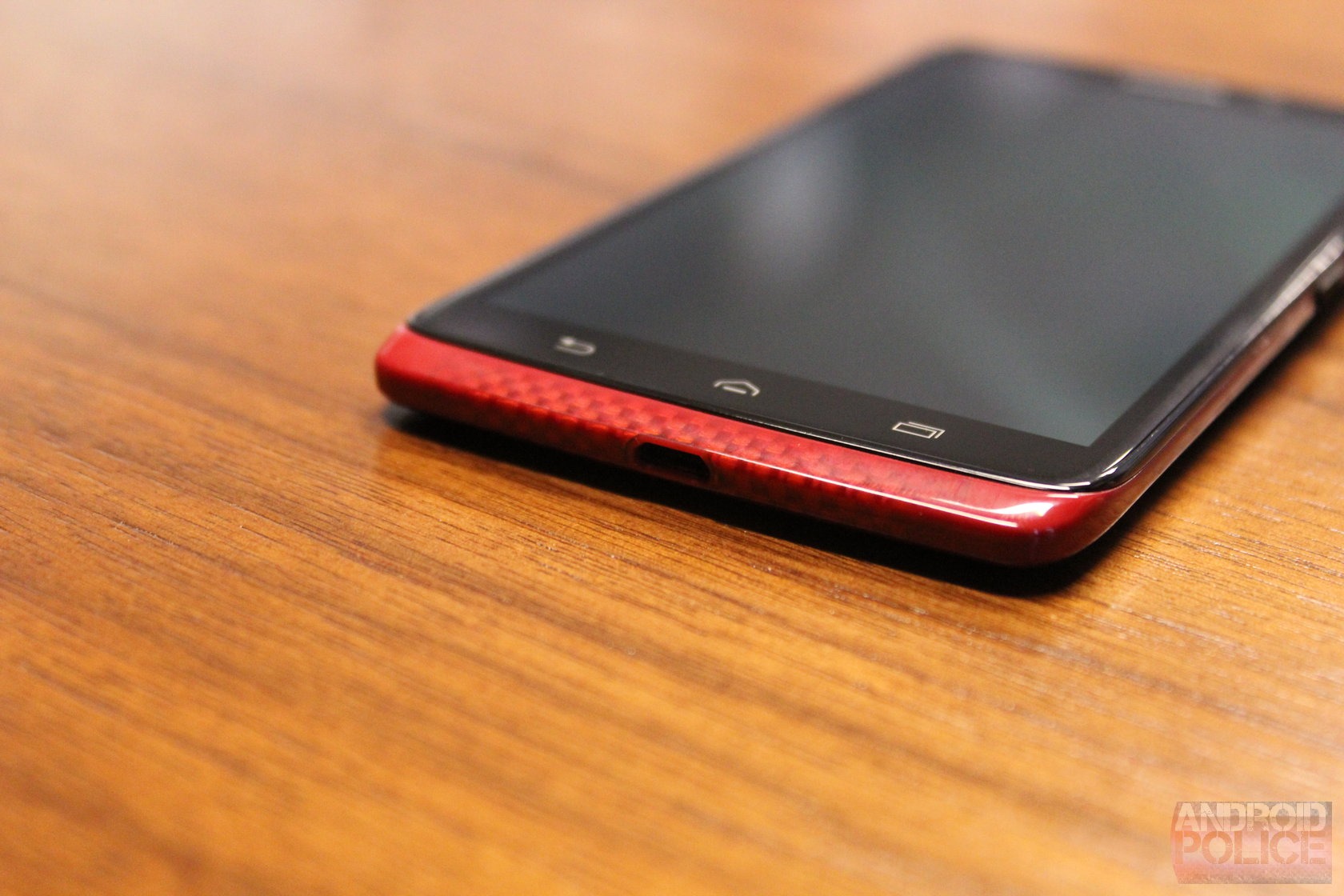
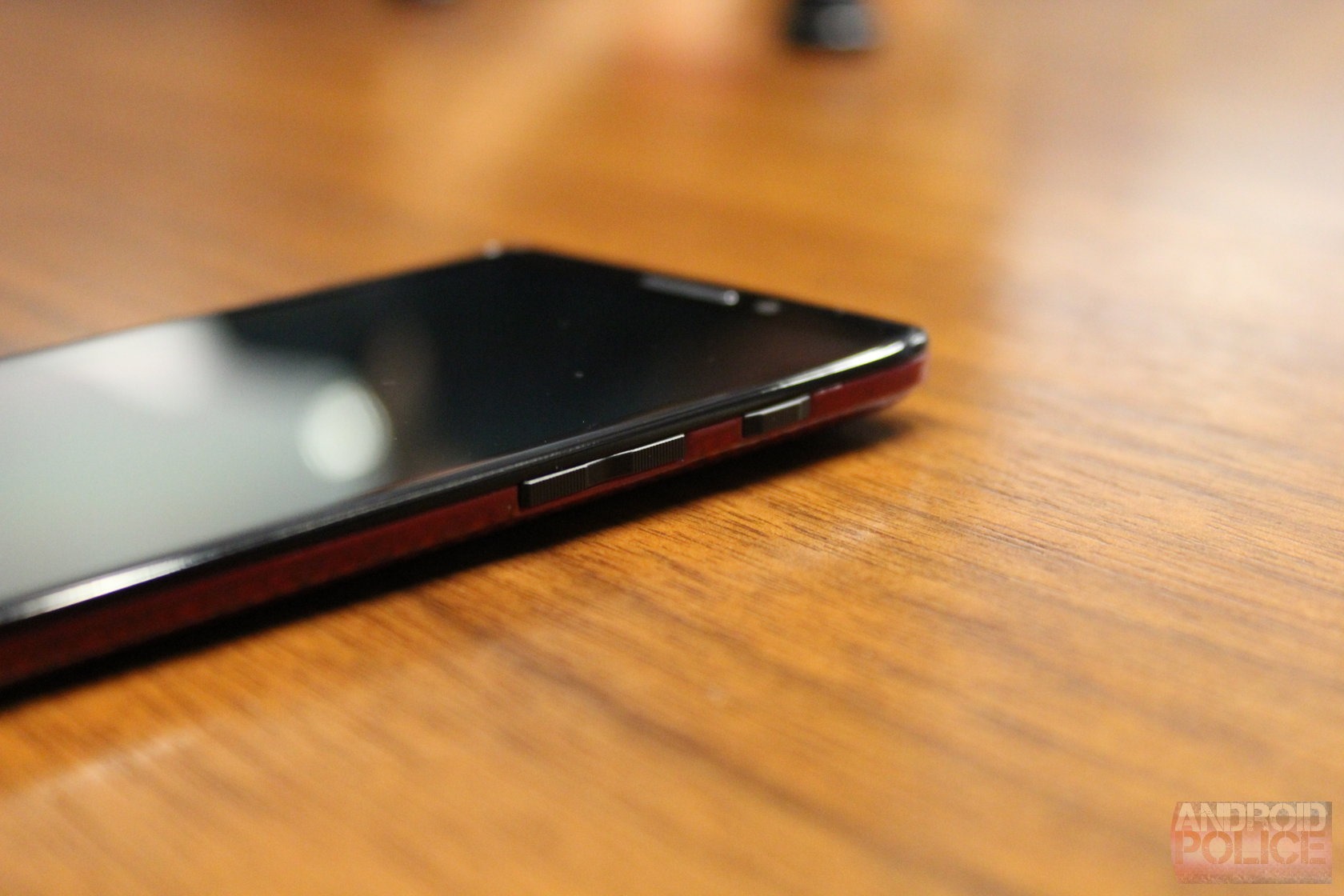
    I came away legitimately impressed with the Ultra after 15 or 20 minutes playing with the phone. While I cannot comment on the aesthetics of glossy red Kevlar, the Ultra felt remarkably well-constructed. It seems as though Motorola has really upped its game on the phone chassis, and it shows - the company was quick to point out in its presentation that more of the Ultra is wrapped in Kevlar than ever before. Neat.

    As with the Mini and MAXX, Android on the Ultra zooms along confidently and quickly, if not with the breakneck pace of Snapdragon 600 devices.

    While I personally can't say I'm a fan of the glossy finish on top of the Kevlar back plate, there is one objective flaw to the Mini and Ultra's shiny exteriors: fingerprints everywhere. The gloss is so intense that I had to wipe down the phones for almost every single photo I took, and that's kind of, to use the technical term, yucky. But considering most of these phones will be wrapped in various even-uglier cases, I guess that doesn't matter.
    wm_IMG_0189

    wm_IMG_0190 wm_IMG_0194 wm_IMG_0195

    wm_IMG_0206 wm_IMG_0207

    The DROID MAXX

    It's the Ultra but, in my opinion, a hell of a lot less ugly. And slightly thicker - the MAXX is a whopping 8.5mm in profile. Gasp. (That's sarcasm, for those of you without a functioning detector.)

    It's nice. The one thing I will say is that because it's thicker, the MAXX feels a little more flex-prone than the standard Ultra. I'd still probably take the MAXX, though, because A.) battery and B.) not going to blind hapless bystanders with glossy finish.

    Also, wouldn't it have been hilarious if they called it the DROID Ultra MAXX? Best worst phone name ever.

    wm_IMG_0216

    wm_IMG_0227 wm_IMG_0233

    wm_IMG_0232 wm_IMG_0243 wm_IMG_0235

    Motorola's Baked-In Extras

    Here's the thing about these phones - they are so ridiculously similar that it all comes down to your budget and personal preferences on each. If you want a small phone, the Mini is so similar to the Ultra and MAXX that it really isn't all that much of a compromise. Likewise, the MAXX isn't so much better than the Ultra that you'll feel you missed out if you choose not to pony up for the bigger battery / more storage. Because the hardware is so similar and the software tweaks fairly limited, updates should be a breeze as well.

    And those new Motorola features (which all of these phones have)? Flicking the phone twice with your wrist to launch the camera app seems like a solution to a problem that already has a much, much better solution. Put in a hardware camera button, for god's sake. It hurts my brain how silly this is. I cannot fathom who would find it useful, particularly because in the few times I used it, I got it to launch maybe two times out of five-plus attempts. I'm sure with mastery it gets easier, but come on, this seems ridiculous.

    My video hands-on with the MAXX attempted to demo the always-on voice actions, but the phone was keyed to someone else's voice. Yep, the new DROIDs (and presumably Moto X) will learn your voice when you set up the passive listening features. You say "OK Google Now" three times during setup to get started, and the phone will get more and more in tune with your tone as you use it. The benefits of such a feature should be obvious. I tested the listening off camera, as well, and it worked like a champ. A really great feature, if you ask me.

    Active Display is similar to Samsung's air gesture that lets you wave over the phone to see the clock / some notifications. Motorola's version works differently though, using the proximity sensor and accelerometer to tell when you take the phone out of your pocket. Pull the phone out, and you get a dim readout of the time, and little notification icons. Grab one and it'll expand to tell you more. The thing Moto really played up is that Active Display will drain less battery than just tapping the power button, as it is specifically designed to illuminate only a small band of the display around the center, while most of the pixels remain totally dark. I'm sure Samsung will follow suit on this at some point. It also works if you put the phone face down on a table, and then flip it over.

    The new camera app is so-so. At first I liked it (as you can see in one of the videos), but the more I used it, the more it felt just a little too bare. I really think they took too much from Google's super-minimalistic approach to the camera UI. Real-life cameras are cluttered with buttons for a reason: you need quick access to a lot of functions if you're remotely serious about taking photos. The new Moto camera UI isn't bad (I like dragging up / down to adjust zoom - makes a lot of sense to me), but it's not any better than any other I've used, and it's definitely worse than Samsung's or HTC's for quick access to useful settings. You can disable the tap-to-shoot feature and get a dedicated virtual shutter button (tapping then focuses), which I have to say is something I would do almost immediately were it my phone.

    There are more Moto-specific features, but in my limited time with the phones I didn't get to do the full rounds. If you have more questions about the new DROIDs, ask them in the comments and I'll do my best to answer them where I can. (Things like camera quality, battery life, benchmarks, and comparisons to <insert my phone here> are not things I'll answer, because I don't know. I had 30 minutes with these phones, not three days.)
    wm_IMG_0251


    Lumia 625

    23/07/2013 15:04

    Lumia 625


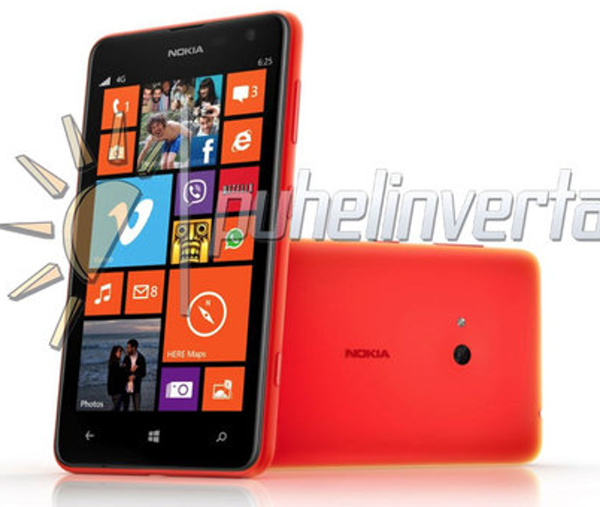
    Nokia teased a big announcement earlier today, that is expected to happen tomorrow morning. As luck would have it, we didn't even have to wait the whole long day to find out as the star of the show just leaked. The WP8 Lumia 625 smartphone photos and full specs sheet appeared and the color of the smartphone perfectly matches the teaser image.

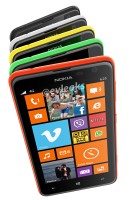
    Update: press images of the Nokia Lumia 625 made the rounds on the web as well. The photos showcase the smartphone in five different colors.


    The Nokia Lumia 625 sports a 4.7-inch LCD display with a resolution of 800 x 480 pixels and a density of 201ppi. The screen is protected by a layer of Corning Gorilla Glass 2 and features super sensitive touch technology, which allows you to operate it using nails and gloves.

    Nokia Lumia 625 is powered by a Snapdragon S4 chipset with a 1.2 GHz dual-core Krait CPU and 512 MB of RAM. The smartphone comes with 8 GB of internal memory, but there's also a microSD card for expanding that by up to 64 GB. The Lumia 625 measures 133.25 x 72.25 x 9.15 mm and weighs 159g and is pretty much the same size of the recently launched Lumia 1020.

    At the back of Nokia Lumia 625 is a 5 megapixel camera with LED flash, which is capable of shooting 1080p videos at 30fps. The camera comes with the cool Cinemagraph, Panorama, Smart Camera lens apps preinstalled.

    The connectivity options for the mid-range Lumia 625 include dual-band Wi-Fi 802.11 b/g/n, GPS and GLONASS support as well as Bluetooth 4.0. The smartphone also supports a wide range of networks including quad-band GSM/GPRS/EDGE, HSPA and even LTE.

    Nokia Lumia 625 will be powered by Windows Phone 8 and has a 2,000mAh battery. According to Nokia, the smartphone lasts up to 23 days on stand by and provides talk time up to 23.9 hours. The battery is said to provide enough juice for video play back up to 6.8 hours and music playback time up to 90 hours.

    Lastly, the Lumia 625 comes with the usual set of pre-installed Nokia applications like Here Drive Beta, Here Maps, Here Transit and Nokia Music. The smartphone will be available in Orange, bright green, yellow, white and black color options.

    We will know more about the pricing and the availability details of the Lumia 625, when the smartphone gets officially announced tomorrow.


    Début | Page précédente | 485 486 487 488 489 490 491 492 493 494 495 496 497 498 499 500 501 502 503 | Page suivante | Fin
    [ Annuaire | VIP-Site | Charte | Admin | Contact slaytane ]

    © VIP Blog - Signaler un abus